Hacking Dreams: The Wearable That Triggers REM Sleep 43 Minutes Faster

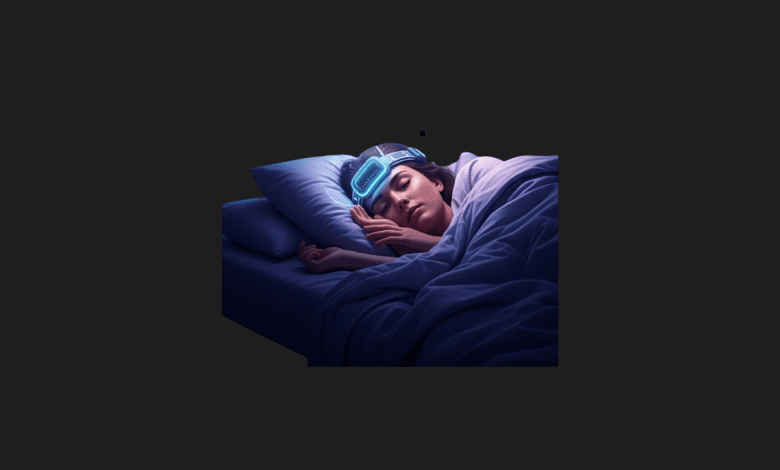

I’ve looked at countless sleep trackers over the years. We all know the routine: you wake up, check your smartphone or smartwatch, and it proudly informs you that you had a terrible night’s rest. It’s helpful data, but passive tracking only tells you there’s a problem—it doesn’t fix it.
When I was researching the latest developments in neuro-tech, I stumbled upon a new device that genuinely surprised me. Engineers at the University of Texas at Austin have developed a wearable that doesn’t just monitor your sleep; it actively intervenes to push your brain into its most restorative state. They call it NEUSLeeP, and it might just change how we approach physical and mental recovery entirely.
Moving Beyond Passive Tracking

Usually, modifying brain states requires heavy medication or invasive procedures. What makes NEUSLeeP so fascinating to me is that it sits right on your skin. It is entirely non-invasive, yet it reaches deep into the brain regions responsible for our sleep cycles.
Instead of just watching you toss and turn, this device uses a brilliant combination of technologies that we don’t normally see merged into a single wearable:
- Targeted Ultrasound: It delivers mild, precise ultrasound stimulation to specific areas of the brain to encourage sleep onset.
- Real-time Electrodes: While stimulating the brain, it simultaneously monitors neural activity, analyzing how the brain responds to the ultrasound in real-time.
The 43-Minute Advantage

The numbers from their initial study of 28 participants are nothing short of impressive. We aren’t talking about a marginal improvement here.
By using NEUSLeeP, users reached REM (Rapid Eye Movement) sleep a full 43 minutes faster than normal. Furthermore, they stayed in that deep, restorative REM state for nearly 16 minutes longer.


If you are someone who focuses on optimizing physical recovery, muscle repair, or just trying to clear your head after a high-stress week, you know how crucial that extra REM time is. It is the phase where our brains do the heavy lifting of processing daily emotions and filing away memories.
Not Just for Biohackers: The Mental Health Potential
While my mind immediately went to the performance and biohacking benefits, the real-world medical applications are what make this a breakthrough.
The researchers noted that the ultrasound stimulation didn’t just induce sleep; it actively increased heart rate variability (HRV) in healthy participants. High HRV is a key indicator of a resilient nervous system that is capable of handling and recovering from stress.
Because REM sleep is fundamental to how our brains process emotional trauma, the lack of it is heavily linked to severe conditions. The team is already planning larger clinical trials to see how NEUSLeeP can treat:
- PTSD (Post-Traumatic Stress Disorder)
- Clinical Depression
- Chronic Anxiety and Insomnia
To me, this is where wearable technology needs to head. We are finally moving past the era of gadgets that just give us anxiety about our bad habits, and entering an era of neuro-wearables that actively help our bodies heal.
What’s Next?
The UT Austin team has already filed a patent for the NEUSLeeP system, and I am going to be keeping a very close eye on their upcoming clinical trials. Imagine a future where treating severe insomnia doesn’t involve a prescription pad, but a simple, smart patch worn on the forehead or neck.
I find the shift from passive tracking to active neural intervention incredibly exciting, but I know messing with brainwaves isn’t for everyone. Would you trust a wearable device that actively uses ultrasound to hack your sleep cycle, or does this feel a little too sci-fi for your bedside table? Let me know your thoughts in the comments!
You Might Also Like;